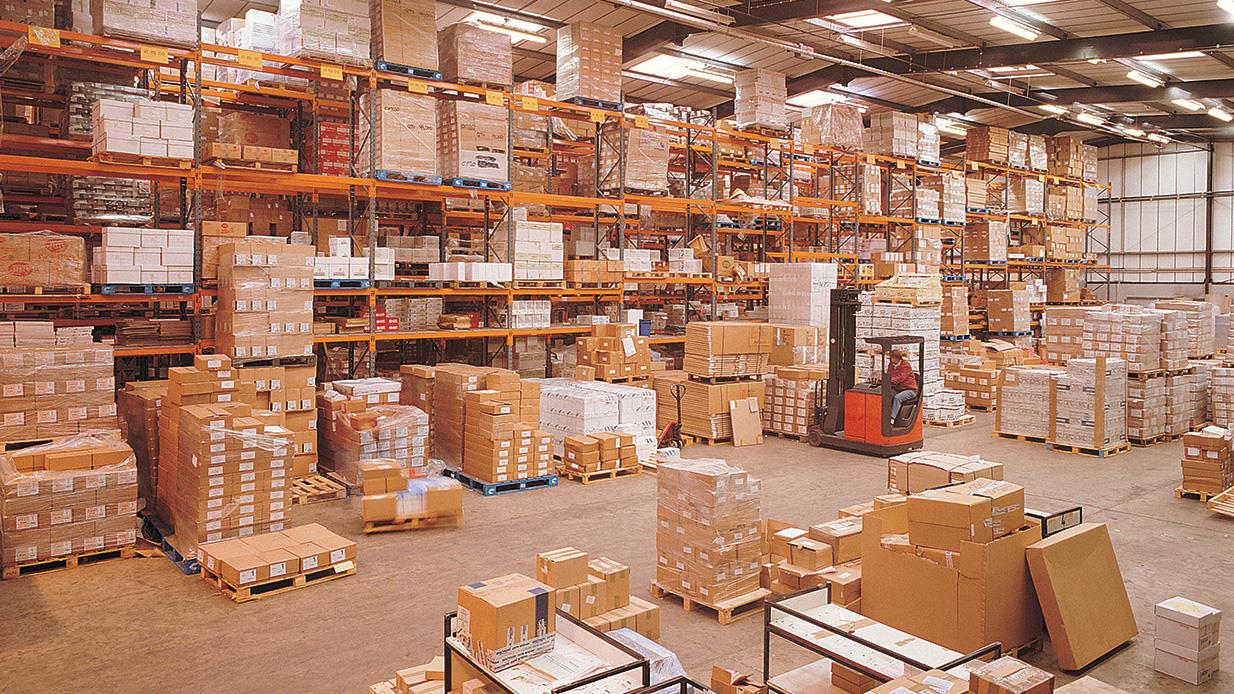
A storage warehouse plays a vital role in the modern economy by serving as a central hub for storing goods, managing inventory, and supporting efficient distribution systems. As global trade continues to expand and consumer demand grows more complex, businesses increasingly rely on well-organized storage facilities to maintain smooth operations. A storage warehouse is no longer just a place to keep products; it has evolved into a strategic asset that directly impacts business efficiency, customer satisfaction, and overall profitability.
One of the primary functions of a storage warehouse is inventory management 儲存倉. Companies use warehouses to store raw materials, finished products, and goods in transit before they reach retailers or customers. Proper storage ensures that products are available when needed, reducing delays and preventing shortages. With effective inventory control systems in place, businesses can track stock levels in real time and make informed decisions about restocking and distribution.
The structure and design of a storage warehouse are carefully planned to maximize space utilization and operational efficiency. Modern warehouses are equipped with shelving systems, pallet racks, and automated storage solutions that help organize goods systematically. This organization not only improves accessibility but also reduces the time required to locate and move items. Efficient space management is especially important for businesses dealing with large volumes of products.
Technology has significantly transformed the way storage warehouses operate. Advanced warehouse management systems allow businesses to monitor inventory, track shipments, and manage logistics with greater precision. Automation technologies such as barcode scanning, RFID tracking, and robotic systems have improved accuracy and reduced human error. These innovations have made warehouses faster, more reliable, and more cost-effective than ever before.
Another important aspect of a storage warehouse is its role in supply chain optimization. Warehouses act as intermediate points between manufacturers and consumers, ensuring that products are distributed efficiently across different locations. By strategically placing warehouses in key geographic areas, businesses can reduce transportation costs and improve delivery times. This strategic positioning is essential for meeting customer expectations in today’s fast-paced market.
Security is a critical factor in warehouse management. A storage warehouse must protect goods from theft, damage, and environmental risks. Modern facilities are equipped with surveillance systems, access control mechanisms, and fire safety equipment to ensure the safety of stored items. Proper security measures not only protect physical assets but also help maintain trust between businesses and their clients.
Environmental control is also important in many types of storage warehouses. Certain products, such as food, pharmaceuticals, and electronics, require specific temperature and humidity conditions to remain in good condition. Climate-controlled warehouses are designed to maintain stable environments that prevent spoilage or damage. This is especially important for industries where product quality directly affects health and safety.
The role of human labor in a storage warehouse remains significant despite advancements in automation. Skilled workers are needed to manage operations, handle equipment, and oversee inventory systems. Training and workforce management are essential to ensure that employees can operate efficiently and safely within the warehouse environment. A well-trained workforce contributes to smoother operations and higher productivity.
Different types of storage warehouses exist to meet varying business needs. Some warehouses are designed for long-term storage, while others focus on short-term distribution. Public warehouses are available for rent by multiple businesses, while private warehouses are owned and operated by individual companies. There are also bonded warehouses used for storing imported goods under customs control. Each type serves a specific purpose within the supply chain ecosystem.
Cost efficiency is another major advantage of using a storage warehouse. By centralizing inventory, businesses can reduce transportation and operational costs. Bulk storage also allows companies to take advantage of economies of scale, purchasing and storing large quantities of goods at lower costs. This financial efficiency contributes to better profit margins and more competitive pricing in the market.
In addition to commercial use, storage warehouses also support emergency and disaster relief operations. They can be used to store essential supplies such as food, water, medical equipment, and shelter materials. During emergencies, having well-managed warehouses ensures that aid can be distributed quickly and efficiently to affected areas. This highlights the importance of warehouses beyond commercial applications.
Sustainability has become an increasingly important focus in warehouse design and operations. Many modern storage warehouses are built with energy-efficient systems, solar panels, and eco-friendly materials. Companies are also adopting green logistics practices to reduce carbon emissions associated with transportation and storage. Sustainable warehouse management not only benefits the environment but also enhances corporate responsibility and brand reputation.
The integration of data analytics has further improved warehouse efficiency. Businesses can analyze inventory trends, demand patterns, and operational performance to optimize storage strategies. Predictive analytics helps companies anticipate demand fluctuations and adjust inventory levels accordingly. This data-driven approach ensures that storage warehouses operate with greater accuracy and efficiency.
Flexibility is another key feature of modern storage warehouses. Businesses often experience changes in demand due to seasonal trends, market conditions, or economic shifts. Warehouses must be adaptable enough to handle these fluctuations without disrupting operations. Flexible storage solutions allow companies to scale their operations up or down as needed, providing greater operational resilience.
Customer satisfaction is closely linked to the efficiency of storage warehouses. Fast and accurate order fulfillment depends on how well inventory is managed within the warehouse. When products are stored and retrieved efficiently, delivery times improve, leading to better customer experiences. In competitive markets, efficient warehouse operations can become a key differentiator for businesses.
The future of storage warehouses is expected to be shaped by continued technological innovation. Artificial intelligence, machine learning, and advanced robotics will further enhance automation and decision-making processes. Smart warehouses capable of self-managing inventory and optimizing workflows are becoming a reality. These advancements will redefine how businesses approach storage and logistics in the coming years.
In conclusion, a storage warehouse is an essential component of modern business infrastructure. It supports inventory management, supply chain efficiency, cost reduction, and customer satisfaction. With the integration of advanced technology and sustainable practices, warehouses have evolved into highly sophisticated systems that play a crucial role in global commerce. As industries continue to grow and evolve, the importance of efficient and well-managed storage warehouses will only continue to increase.
