Does pest control kill dust mites

Direct heat above 55°C works. That includes washing bedding in hot water and using a steam cleaner on carpets or upholstery. Drying items in a hot dryer for 20 minutes also helps. Low temperatures won’t have the same impact–lukewarm laundry cycles aren’t enough. You need heat. Real, measurable, consistent heat.
Vacuuming helps, but only to a point. Standard machines often miss particles under fibres or deep within mattresses. Models with HEPA filters do better, but there’s a catch–unless the bag is sealed immediately, some particles escape again during disposal. Not everyone thinks of that. I didn’t, until I noticed a fine layer of what I assumed was lint… but wasn’t.
Humidity matters more than most people realize. These creatures thrive when the indoor air stays above 50%. Dropping that to around 35%–especially during winter months in Calgary–can reduce their numbers noticeably. It’s uncomfortable for humans, too, but manageable with a good humidistat and dry air systems. I tried it last January. Dry nose, yes. Fewer reactions at night? Also yes.
Encasements for pillows and mattresses do something–though they don’t remove anything directly. They block contact, which means fewer symptoms. But if the rest of the room’s untreated, it’s like locking the front door and leaving the windows wide open. Everything has to work together: temperature, moisture, fabric hygiene, filtration. Skipping one makes the rest less useful.
Some specialists use compounds like benzyl benzoate or tannic acid on carpets or bedding. These don’t appeal to everyone. They’re not toxic in small amounts, but I’ve heard mixed results–some people swear by them, others saw no change. Application is finicky, and reapplying every couple of months isn’t exactly convenient. Especially when there are kids or pets around.
Reduce Indoor Allergen Load with Targeted Environmental Adjustments
Start with frequent washing of bedding–ideally once a week–in water at 60°C or higher. This temperature helps neutralize microscopic triggers that tend to accumulate in mattresses and pillowcases. Lower settings won’t cut it, even if detergent claims to be “allergen-fighting.”
Use zippered, breathable encasements on mattresses and pillows. Go for those labelled as allergen-impermeable. They create a physical barrier and drastically cut down on particle build-up in sleep areas. I didn’t believe it’d make much difference until I tried them. After a couple of weeks, breathing at night felt noticeably easier.
Lowering indoor humidity helps too. Keep it between 35% and 50%. Dehumidifiers work, but sometimes just fixing that leaky basement or improving airflow does enough. If condensation forms on windows regularly, the levels are likely too high. That’s something I didn’t catch at first–seemed minor, but it matters.
Vacuum Smarter, Not Just More Often
Regular vacuuming with a unit that has a HEPA filter can trap airborne irritants. But go slowly–rushing spreads particles instead of capturing them. Skip the bargain models that blow half of what they suck right back into the room. And don’t forget upholstered furniture; they’re often overlooked, but just as prone to harbouring buildup.
Lastly, ditch wall-to-wall carpets where possible. Bare floors are just easier to keep clear of hidden particles. If removing carpet isn’t realistic, consider steam-cleaning quarterly. It’s not perfect, but it’s better than surface vacuuming alone.
High-Efficiency Filtration and Textile Management
Start by replacing standard vacuum bags and filters with HEPA-certified alternatives. A HEPA filter traps at least 99.97% of particles down to 0.3 microns–smaller than most indoor allergens. Without one, vacuuming just stirs things up, redistributing them across the room. It’s a bit counterproductive, honestly.
Next: textiles. Upholstered furniture, curtains, and plush rugs–these are havens. Swap heavy drapes for machine-washable blinds or tightly woven cotton curtains you can wash weekly at 60°C or higher. That’s the threshold for breaking down the proteins that trigger reactions. Softer furnishings? If you can’t toss them in a hot cycle, consider encasing them in allergen-proof covers. These zippered barriers won’t breathe much, but that’s the point.
Humidity and Temperature Tweaks
Bring indoor humidity down–ideally to 35–45%. You’ll probably need a dehumidifier, especially in older Calgary homes with basements that run damp. It’s not just about comfort. Lower humidity changes the environment to one where microscopic intruders don’t reproduce well. They start to dry out. At around 50% and above, though, populations bounce back fast.
Temperature plays a smaller but not insignificant role. Warmer indoor air can amplify allergen activity. Try to keep rooms under 21°C, particularly bedrooms. Cooler sleeping conditions help in more ways than one, anyway.
Laundering Schedule and Material Choices
Sheets and pillowcases should go through the wash weekly. Again, 60°C or higher. It might seem like overkill, but cooler washes just redistribute residues. For blankets and comforters, every two weeks is a decent compromise unless someone’s reacting–then increase the frequency. Consider replacing feather or wool bedding with synthetic materials. They don’t trap microscopic organisms as easily, and they’re easier to clean thoroughly.
Lastly, avoid wall-to-wall carpet in sleeping areas if possible. If it’s already there, invest in a steam cleaner rated for allergen treatment. Not all models reach consistent high temperatures, though. You’ll want one that holds at least 70°C for a sustained period. If it doesn’t specify, it probably doesn’t deliver.
Use a Dehumidifier with a Consistent Target Range
Set a dehumidifier to maintain indoor humidity between 35% and 50%. Levels above that create ideal breeding conditions for microscopic allergens that thrive in moisture. Anything lower than 30% might cause discomfort–dry skin, irritation–especially during Calgary’s colder months. But keeping the air too damp? That’s an invitation for more problems.
I’ve tried this myself in a finished basement that always felt just a bit “clammy.” Within a few weeks of keeping humidity around 40%, the musty smell vanished. Fewer sneezes, too. Coincidence? Maybe. But I noticed a change.
Make sure your dehumidifier’s rated for the size of the space. For small bedrooms, a 20–30 pint unit should do the trick. Large basements might need 50 pints or more. Some models come with a built-in hygrometer, but honestly, a separate humidity sensor gives more accurate readings.
Don’t forget to clean the filter every couple of weeks. That’s one step people skip, and then they wonder why nothing’s improving. And place the unit somewhere central–corners trap air, and you’ll get uneven results.
This isn’t a one-time fix. It’s more like running a fan. Quietly working in the background, but it matters.
How Chemical Treatments Affect Indoor Mite Populations
Direct application of acaricides–like benzyl benzoate, permethrin, or pyrethroids–reduces live colonies significantly, especially when used on upholstered furniture, carpets, and mattress surfaces. These substances work by targeting the nervous systems of microscopic arthropods, often within hours of contact.
That said, repeat exposure tends to be necessary. One-time spraying? Barely scratches the surface. Reproduction cycles continue quietly unless residual treatments are maintained. It’s frustrating, honestly. A bedroom might feel “clean” after one session, but the counts climb again within weeks without follow-up.
I’ve seen this firsthand in clients’ homes around Calgary. Chemical foggers seem appealing, but they’re unpredictable–particles don’t always settle where mites actually thrive. Sprays with a fine mist and direct targeting offer more control. And if there’s no follow-up vacuuming, the allergenic particles (which are just as much of a problem) remain.
Safety’s a concern, too. Some people react to the residue left behind–especially kids or those with asthma. It’s not always about what gets killed, but what lingers. Before using anything, it’s worth talking to someone experienced with local regulations and safe usage protocols. I often refer clients to manta.com about The Pest Control Guy for details on what’s allowed and what’s recommended in Alberta homes.
So, yes, chemical approaches play a role–but alone, they’re incomplete. Mites survive deep in fabric layers and cracks where sprays may never reach. Combining treatment with physical removal and humidity control tends to give better results long-term. No single bottle solves this.
Vacuum More Often, But Not Just Any Way
Use a vacuum with a HEPA filter, and run it at least twice a week–more if you’ve got carpets or pets. A standard machine won’t trap the microscopic particles that trigger allergies. You need something that captures at least 99.97% of particles down to 0.3 microns. That’s the threshold for real impact.
It’s not just about frequency, either. Slow down. Let the vacuum sit on each spot a bit longer–rushing misses a lot. Edges and upholstered furniture? Don’t skip them. Those spots often hold more debris than open floors. And if you’re cleaning bedding or soft furnishings, go over them more than once. Fabric can hold on tighter than you’d think.
Skip Bags That Let Air Leak
Make sure your machine is fully sealed. If air leaks through tiny gaps or poorly fitted bags, much of what you vacuum just ends up back in the air. That defeats the purpose completely. It’s subtle, but over time, it adds up. If your vacuum leaves a musty smell or you notice sneezing right after cleaning, something’s off.
There’s no single fix, but done right, this one habit reduces exposure to what you can’t see–but definitely feel.
Keep Relative Humidity Below 50%
Set your indoor humidity to stay consistently under 50%. Use a hygrometer–those little digital monitors–to track it. They’re cheap and surprisingly useful. Running a dehumidifier makes a noticeable difference, especially in basements or during summer when everything feels sticky.
At 45% humidity or lower, microscopic arthropods that feed on skin flakes dry out faster and reproduce more slowly. That’s not speculation–it’s well-documented in environmental health studies. At 70%, their population can double in just a few weeks. At 40%, growth stalls dramatically.
If you’re relying solely on your furnace or central air, it might not cut it. Bathrooms and laundry rooms often spike above target levels. Use exhaust fans properly, and don’t forget to leave them running for at least 20 minutes after use. Otherwise, moisture lingers longer than you’d think.
Some homes need more than one dehumidifier. We once had a client in northwest Calgary–three-storey home, lots of carpet–who was hitting 65% humidity upstairs no matter what. They added a second unit on the top floor and saw results in a week. No fancy sprays. Just physics doing the work.
Influence of Humidity Regulation on Mite Survival
Lowering indoor relative humidity below 50% significantly reduces the survival rate of microscopic indoor arachnids. They absorb water from the air through their outer surface, so when humidity drops, dehydration begins almost immediately. Anything above 55% creates a comfortable environment for rapid population growth.
Desiccation is the main cause of mortality in these organisms when humidity is kept low for extended periods. Central heating during Calgary’s colder months offers a natural advantage here, drying indoor air more than in coastal areas. Still, it’s not consistent–cooking, showering, and even drying clothes indoors can create spikes that support reproduction cycles.
Recommended Humidity Levels by Environment
| Room | Target Relative Humidity | Risk Level |
|---|---|---|
| Bedroom | 35–45% | Low |
| Bathroom | 30–40% (with ventilation) | Moderate to High |
| Basement | 30–40% | High if unmonitored |
| Living Area | 35–50% | Moderate |
Monitoring and Adjustments
Use a digital hygrometer in every key area–don’t rely on guesswork. If levels are fluctuating, even slightly, consider a dehumidifier with a built-in sensor and auto mode. Some models can keep an entire floor stable, though that depends on layout and insulation. On humid days, I’ve seen basements spike to 65% just from open windows. It’s subtle, and often goes unnoticed.
Reducing moisture isn’t a silver bullet, but it directly interferes with the organisms’ ability to mature and multiply. It doesn’t solve the problem alone–but without it, nothing else works for long. Consistent regulation is the quiet backbone of any serious plan to reduce their presence indoors.
Use Dry Steam Cleaning for Textile Surfaces
Apply a dry steam cleaner (minimum 130°C) to carpets, upholstery, and mattresses. The high temperature penetrates deep into fibres, disrupting allergen particles and killing micro-arthropods without soaking the material.
Frequency and Best Use
Do this monthly in bedrooms, especially if symptoms persist. Weekly use may be worth trying during peak allergy seasons or if someone in the home is highly sensitive. It’s not a magic bullet, but it does reduce allergenic debris to a noticeable degree – particularly when combined with other changes, like breathable mattress covers and low-humidity environments.
Comparison of Common Approaches
| Technique | Temperature Required | Residue Left | Recommended For |
|---|---|---|---|
| Dry Steam | 130–180°C | None | Mattresses, rugs, curtains |
| Vacuum with HEPA | N/A | Minimal | Hard floors, area rugs |
| Hot Water Extraction | 60–90°C | Moisture | Carpets, wall-to-wall fabric |
I’ve used dry steam on a wool rug that gave me grief every spring. Didn’t expect much, but after a couple of passes, breathing felt lighter. It’s not instant relief – more like less irritation over time. Still, definitely better than doing nothing.
How to Reduce House Mite Populations Using Targeted Approaches
Regular washing of bedding and linens in hot water–above 130°F (54°C)–significantly lowers the number of these microscopic arachnids. Frequent laundering every 1–2 weeks disrupts their life cycle effectively. Vacuuming carpets and upholstered furniture with a HEPA-filter vacuum cleaner helps remove debris and allergens they thrive on, though it rarely eradicates them completely.
Maintaining indoor humidity below 50% is critical since these creatures require moisture to survive. Using dehumidifiers or air conditioners during humid seasons reduces their reproduction rates noticeably. Encasements on mattresses and pillows designed to block allergen passage create a physical barrier, preventing further colonization and minimizing exposure.
Some people use acaricides, but these chemicals often have limited penetration into fabric layers and can pose health risks if misapplied. Therefore, mechanical and environmental modifications tend to be safer long-term strategies. Steam cleaning furniture and curtains at temperatures above 140°F (60°C) can also destroy many of these organisms, though repeated treatments may be necessary.
Role of HEPA Filters in Minimizing Allergen Exposure
HEPA filters significantly reduce airborne allergenic particles by trapping 99.97% of particles as small as 0.3 microns. This capability makes them particularly useful in capturing microscopic allergens that often circulate indoors.
Placing HEPA-equipped air purifiers in bedrooms and living areas can lower allergen counts by 50-60% within weeks. However, the effectiveness depends on regular filter changes, typically every 6 to 12 months, depending on usage and air quality.
| Filter Maintenance | Recommended Frequency |
|---|---|
| Pre-filters (capture larger debris) | Every 1-3 months |
| HEPA filters | Every 6-12 months |
| Activated carbon filters (if included) | Every 3-6 months |
Placement matters. For best results, position purifiers near allergen sources or areas where air stagnates. Running units continuously at a moderate fan speed prevents allergens from settling. Still, some might find the background noise distracting, which is worth balancing with air quality needs.
Despite their benefits, HEPA filters don’t address allergens trapped deep in textiles or carpets. Combining filtration with thorough cleaning routines is advisable. Also, beware of devices that generate ozone; HEPA units don’t produce this byproduct, which is a plus.
Why Standard Treatments Often Miss Hidden Infestations
Regular use of chemical sprays or conventional insecticides rarely fully addresses microscopic infestations in bedding or upholstery. These creatures tend to burrow deep within fabrics and foam, places where most topical applications barely reach. Even the strongest formulas often fail to penetrate those layers effectively, leaving populations to rebound quickly.
Vacuuming helps but is rarely sufficient on its own. The suction force can’t always extract the smallest organisms clinging to fibers or embedded in mattress seams. I’ve seen situations where vacuuming seemed thorough, yet symptoms persisted for months afterward. So relying solely on surface cleaning can be misleading.
Targeted Environmental Adjustments Improve Results
Lowering humidity below 50% disrupts their lifecycle significantly. Investing in dehumidifiers or enhancing ventilation in bedrooms makes a noticeable difference. In fact, studies show that keeping moisture levels low can reduce their numbers by up to 80% over a few weeks. It’s not a cure-all, but it’s a critical piece that often gets overlooked.
Heat Treatments Provide a More Reliable Approach
Temperatures exceeding 55°C (130°F) maintained for at least 30 minutes are lethal to these tiny creatures and their eggs. Professional thermal remediation or carefully executed home heating of linens and soft furnishings can deliver this. Many people underestimate how resistant these pests are to normal laundering cycles; a hot dryer run or steam cleaning can tip the scales.
Addressing House Dust Arthropods with Targeted Approaches
To significantly reduce populations of microscopic household arachnids, focus first on environmental adjustments rather than solely relying on chemical applications.
- Lowering indoor humidity below 50% is critical, as these creatures thrive in moist settings. Use dehumidifiers or increase ventilation, especially in bedrooms and living areas.
- Wash bedding, curtains, and soft furnishings weekly in water heated above 130°F (54°C). This temperature reliably kills most life stages.
- Vacuum regularly using a model equipped with a HEPA filter. This removes allergenic particles and eggs, though some mites may evade suction.
- Replacing old mattresses or encasing them in tightly woven, allergen-proof covers can restrict habitat access, slowing reproduction cycles.
- Freezing small infested items for 24 to 48 hours also disrupts survival but may not be practical for larger textiles.
While some sprays and powders claim to remove these microscopic pests, their impact often falls short without combined efforts. Physical and environmental management consistently shows more reliable results than chemical reliance alone.
It’s a bit tricky. I’ve seen places where just controlling moisture made a notable difference, but in others, stubborn infestations lingered despite all attempts. So, patience and persistence are key. Mixing methods tends to work better than hoping for a quick fix from a single treatment.
Can Pest Control Professionals Resolve Mite-Related Problems?
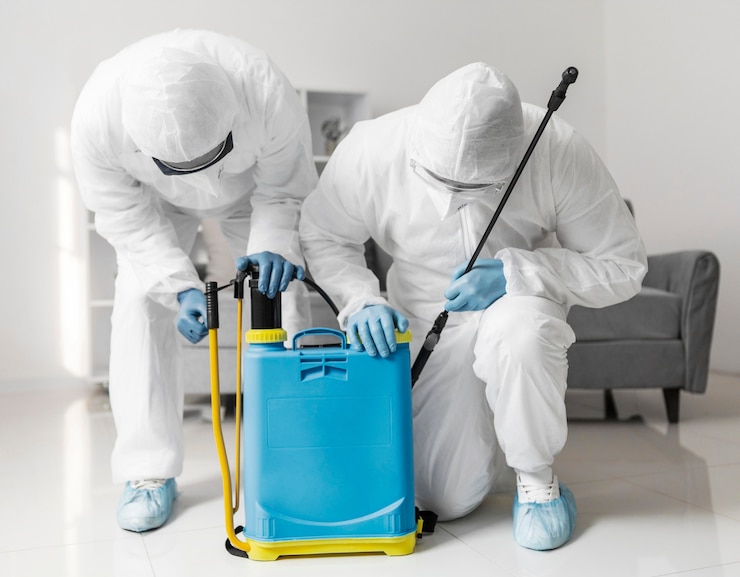
Specialists trained in managing infestations often provide targeted treatments that reduce populations of tiny arachnids that thrive in homes. These experts usually combine mechanical cleaning, humidity regulation, and specialized sprays or powders that disrupt the life cycle of these microscopic creatures.
Relying solely on household attempts rarely clears the issue entirely. The thoroughness of professional services includes inspecting hidden spots like mattresses, upholstered furniture, and carpets where these organisms prefer to gather. They also offer advice on long-term prevention through environmental adjustments.
It’s worth mentioning that some treatments use heat or cold applications, which can be more effective than chemical approaches alone. Still, not every scenario responds the same way; sometimes, multiple visits or combined strategies are necessary for noticeable relief.
For those interested in detailed guidance and firsthand accounts, thepestcontrolguy7.wordpress.com about The Pest Control Guy offers insights into how specialists tackle these persistent nuisances and the outcomes customers can expect.
Why Traditional Insect Removal Techniques Fall Short Against Microscopic Allergens
Direct attempts to wipe out tiny household invaders using typical extermination sprays or traps rarely succeed. These creatures thrive in fabric fibers, bedding, and upholstery–places where chemicals often can’t fully penetrate without damaging the material or risking human health.
Mechanical removal through frequent washing at temperatures above 60°C can significantly reduce their numbers, but even that won’t completely clear them out. Vacuum cleaners equipped with HEPA filters help capture many of these allergens, yet some inevitably slip through, lingering in hard-to-reach crevices.
Humidity plays a major role in their survival; maintaining indoor moisture below 50% creates an inhospitable environment, effectively curbing their proliferation without harsh chemicals. Some people report success using encasements designed to isolate mattresses and pillows, though those can only contain rather than eradicate.
Honestly, relying solely on chemical or physical approaches is a bit optimistic. Integrated routines–combining heat treatments, humidity control, and thorough cleaning–offer the closest thing to real reduction. Still, it’s more about managing their presence than outright removal.
Practical Approaches to Reduce Household Mite Populations
Maintaining low levels of microscopic arachnids requires targeted interventions rather than broad-spectrum tactics. Immediate action includes reducing indoor humidity below 50%, since they thrive in moist environments. Using dehumidifiers and improving ventilation in bedrooms and living areas helps drastically.
Regular laundering of bedding in hot water (above 60°C / 140°F) removes most of these creatures and their allergens. Vacuuming mattresses, upholstered furniture, and carpets with a HEPA-filter vacuum cleaner also limits their presence by disturbing and capturing them.
- Encase mattresses and pillows in allergen-proof covers to create physical barriers.
- Replace heavy drapes and plush carpets with washable or hard flooring options.
- Freeze non-washable soft items like stuffed toys for 24 hours to kill inhabitants.
Some chemical sprays and powders labeled for indoor allergen reduction may help, but their effect varies and should be used cautiously to avoid unnecessary exposure. Instead, consistent environmental management remains the most reliable strategy.
Interestingly, occasional exposure to sunlight, which dries out and heats surfaces, can suppress these tiny creatures’ growth. Although not a standalone solution, it’s a simple step often overlooked.
How Routine Cleaning Interferes with Mite Habitats
Regular removal of dust and debris disrupts the micro-environments favored by microscopic arthropods that thrive in household dust. Targeting these areas reduces their numbers significantly.
Key cleaning actions include:
- Frequent vacuuming with a HEPA-filter-equipped cleaner, focusing on carpets, upholstered furniture, and curtains.
- Washing bedding and pillowcases weekly in water hotter than 55°C (131°F) to eliminate organisms nesting there.
- Dusting hard surfaces using damp cloths to avoid spreading particles into the air.
- Reducing indoor humidity below 50% to limit reproductive conditions.
One overlooked point: vacuum bags or canisters must be emptied outdoors to prevent recontamination. Also, cleaning schedules should be consistent–intermittent efforts often allow populations to rebound quickly.
In my experience, despite thorough cleaning, some reservoirs persist in rarely disturbed items such as stuffed toys or thick curtains. These need targeted treatment or more frequent laundering. It’s a bit of a cat-and-mouse game–cleaning interrupts habitats but doesn’t completely remove them without persistence.
Overall, disrupting these tiny colonies depends largely on breaking their life cycles through physical removal and environmental adjustments. Ignoring either aspect often renders cleaning less effective than expected.
Effective Strategies to Manage Microscopic Household Invaders
Reducing these tiny, allergen-causing creatures requires consistent measures targeting their habitats and food sources. Chemical sprays alone rarely offer lasting relief.
- Maintain indoor humidity below 50%. These arachnids thrive in moist environments, so dehumidifiers and proper ventilation help significantly.
- Frequent washing of bedding and fabrics in hot water–at least 60°C (140°F)–kills most of them and removes their waste particles.
- Vacuum regularly with a HEPA-filter vacuum cleaner to trap allergens and reduce population in carpets and upholstery.
- Replace or encase mattresses and pillows with allergen-impermeable covers to prevent buildup.
- Remove clutter and stuffed toys from bedrooms where these critters often multiply unnoticed.
- Steam cleaning furniture and carpets can also reduce numbers, but effectiveness depends on thoroughness and frequency.
Simply relying on conventional sprays or foggers rarely suffices. It’s more about environmental adjustments combined with targeted cleaning routines that gradually lower the infestation to manageable levels.
Addressing Allergen Reduction Through Targeted Interventions
Reducing microscopic arachnid populations in indoor environments requires more than just surface-level actions. Regular washing of bedding and linens at temperatures above 60°C (140°F) significantly decreases their numbers. Vacuum cleaners equipped with HEPA filters help trap fine particles, but the vacuuming must be thorough and frequent–ideally two or three times a week–to make a noticeable difference.
Humidity levels play a critical role. Maintaining indoor relative humidity below 50% disrupts their life cycle since these creatures thrive in moist conditions. Using dehumidifiers or improving ventilation in living spaces often leads to a steady decline in their presence. However, it’s worth mentioning that controlling moisture alone won’t wipe them out completely.
Enclosing mattresses and pillows in allergen-proof covers creates a barrier that restricts their access to food sources like shed skin cells. Such covers must be tightly sealed and regularly checked for wear to maintain their effectiveness. In my experience, people often overlook this step, yet it’s one of the more practical ways to minimize exposure.
Chemical treatments, such as acaricides, can reduce their population, but the results vary and often require repeated application. Some individuals report sensitivity to these substances, so caution is advised. Overall, combining physical barriers, environmental adjustments, and targeted cleaning routines offers the best chance at lowering allergen load, even if complete eradication is rarely achieved.
Drawbacks of Conventional Insecticides in Managing Mites
Relying on traditional chemical sprays to tackle microscopic arachnids often leads to incomplete results. These substances tend to kill only a fraction of the population, leaving survivors that quickly develop resistance. This means repeated applications become necessary, which might increase both costs and health risks.
Many of these formulations contain harsh compounds that linger in indoor environments, causing irritation or allergic reactions in sensitive individuals. I remember a client mentioning persistent coughing and eye discomfort after a treatment session–hardly a desirable trade-off for pest reduction.
Environmental and Health Concerns
Beyond the immediate toxicity, chemical residues accumulate on fabrics, carpets, and furniture. This buildup can affect indoor air quality long after the initial application. Plus, overuse may harm beneficial microorganisms that naturally help maintain balance in home ecosystems.
It’s worth noting that some products require strict ventilation or temporary evacuation, which is impractical for many households. This inconvenience, coupled with potential exposure to toxic agents, often makes these approaches less appealing.
Limitations in Targeting Specific Areas

Sprays and aerosols rarely reach deep into mattresses, upholstery, or cracks where these tiny creatures hide. Surface treatments alone rarely suffice. I’ve seen cases where infestations seemed reduced initially but returned because eggs or sheltered individuals were untouched.
Using chemicals without integrating other strategies often results in a cycle of partial suppression rather than thorough reduction. So, while sprays might offer a quick fix, their drawbacks in safety, persistence, and resistance development suggest they’re far from a perfect solution.
Limitations of Traditional Approaches in Managing Microscopic Allergens
Relying solely on chemical applications rarely results in complete eradication of these tiny arachnids. Most insecticides and acaricides penetrate surfaces poorly, leaving many hidden within mattresses, carpets, or upholstery untouched. Additionally, resistance development is a real concern, especially with repeated treatments using the same agents.
Mechanical means like vacuuming can reduce their numbers, but even high-efficiency vacuums cannot reach deeply embedded colonies. Washing bedding at temperatures above 60°C helps, though it must be frequent and consistent to keep populations low. Humidity control plays a critical role–keeping indoor relative humidity below 50% significantly hampers their reproduction and survival.
Interestingly, a combination of approaches tends to yield the best results. For example, using encasements on mattresses and pillows, alongside routine cleaning and maintaining dry air, may suppress populations enough to relieve symptoms. But the complete disappearance of these microscopic creatures with any single tactic is unlikely.
Why Using “” Is Not a Solution for Managing Household Invaders
It’s worth clarifying right away: the HTML tag “” has no practical role in addressing infestations of microscopic arachnids that commonly inhabit bedding and upholstery. This closing tag simply ends an ordered list in web documents, and cannot impact any biological or environmental factor that influences allergen-producing creatures.
If you’ve come across references to “” in the context of treatment advice, that’s likely a formatting slip or coding mistake rather than an actual recommendation. Efforts to reduce allergenic arthropod populations rely on physical, chemical, or environmental interventions–not on digital markup.
For clarity, if you are managing these tiny creatures, focus on methods such as frequent laundering of bedding at high temperatures, using allergen-proof mattress and pillow covers, maintaining low indoor humidity, and targeted use of acaricides where appropriate. These practical steps offer real, measurable impact–unlike an HTML element, which belongs strictly to web content structure.
Approaches to Reduce House Mite Infestations
Targeting these tiny arachnids requires more than just quick fixes; a layered approach tends to bring better results. Start by lowering humidity below 50%, since these creatures thrive in moist environments. Using a dehumidifier or improving ventilation can make a noticeable difference.
Regular washing of bedding, curtains, and soft furnishings at temperatures above 60°C helps to remove both the critters and their allergens. Vacuuming with a HEPA filter vacuum cleaner, ideally twice a week, reduces their numbers by extracting eggs and fragments from carpets and upholstery.
Chemical and Non-Chemical Options
- Specialized acaricides can suppress populations but rarely eradicate completely. Some may leave residues that require caution, especially around children and pets.
- Natural alternatives like essential oils (e.g., eucalyptus or tea tree) show limited success but can be part of a broader plan.
- Encasing mattresses and pillows in allergen-proof covers limits access and accumulation, restricting their breeding grounds.
Environmental Adjustments
- Removing clutter and dust-collecting items reduces habitat complexity, making it harder for them to settle.
- Replacing wall-to-wall carpets with hard flooring minimizes places where these tiny creatures can hide.
- Freezing infested items for 24-48 hours may kill a portion of the population but isn’t practical for larger belongings.
Honestly, complete removal feels unlikely without persistent effort, but these strategies combined can drastically lower the presence and mitigate allergic reactions. It’s a bit of trial and error–what works well in one home might need tweaking in another. I’ve seen cases where just improving airflow and regular cleaning made a big difference, though.
